1,000+ Entertainment Design Cases, 15+ years Amusement Industry Experience - 12 Design info@12design12.com+86 15360475354


What We Learned at IAAPA Expo Europe 2026: 3 Trends Shaping UK FEC Design
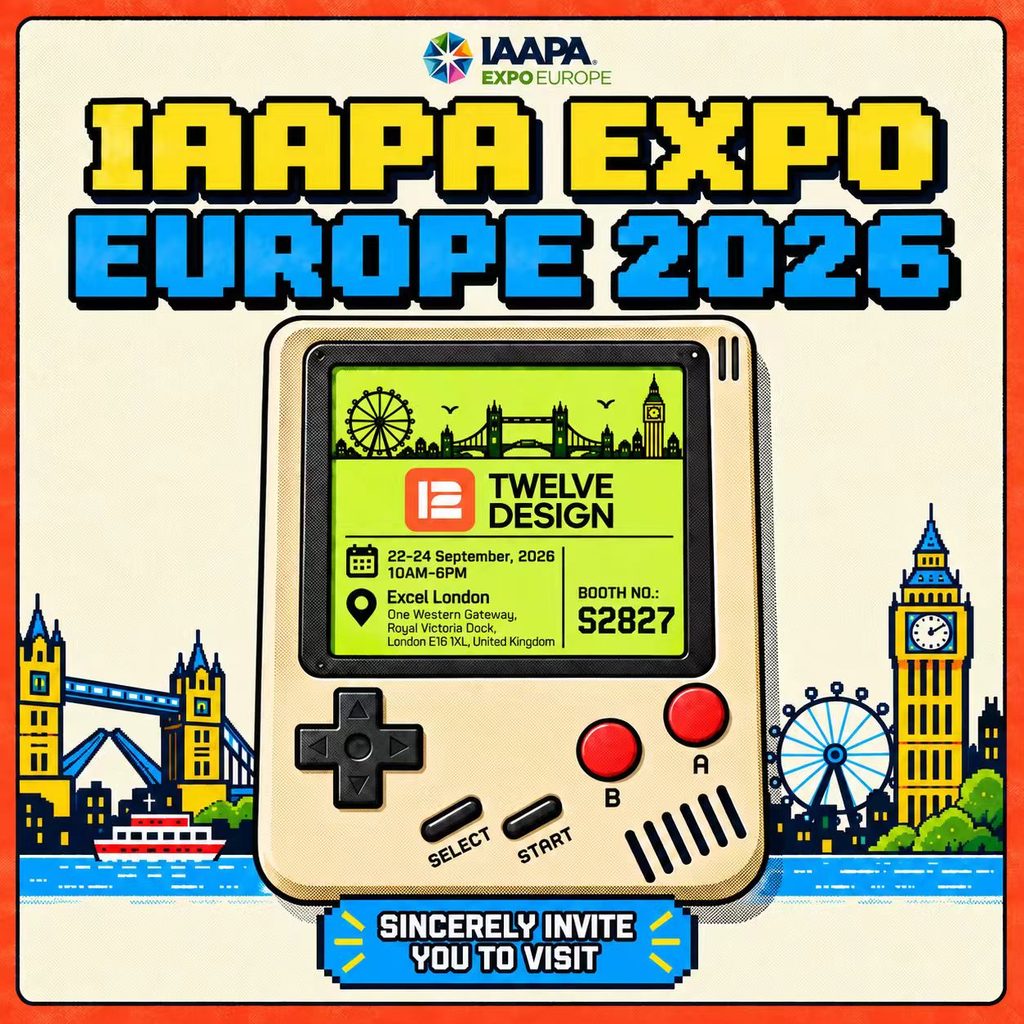
IAAPA Expo Europe 2026 brought the attractions industry back to London, with the show floor running from September 22–24 at ExCeL London. For our team at 12 DESIGN, the value of the event was not simply seeing new equipment. It was hearing how operators, investors and suppliers are thinking about their next generation of venues.
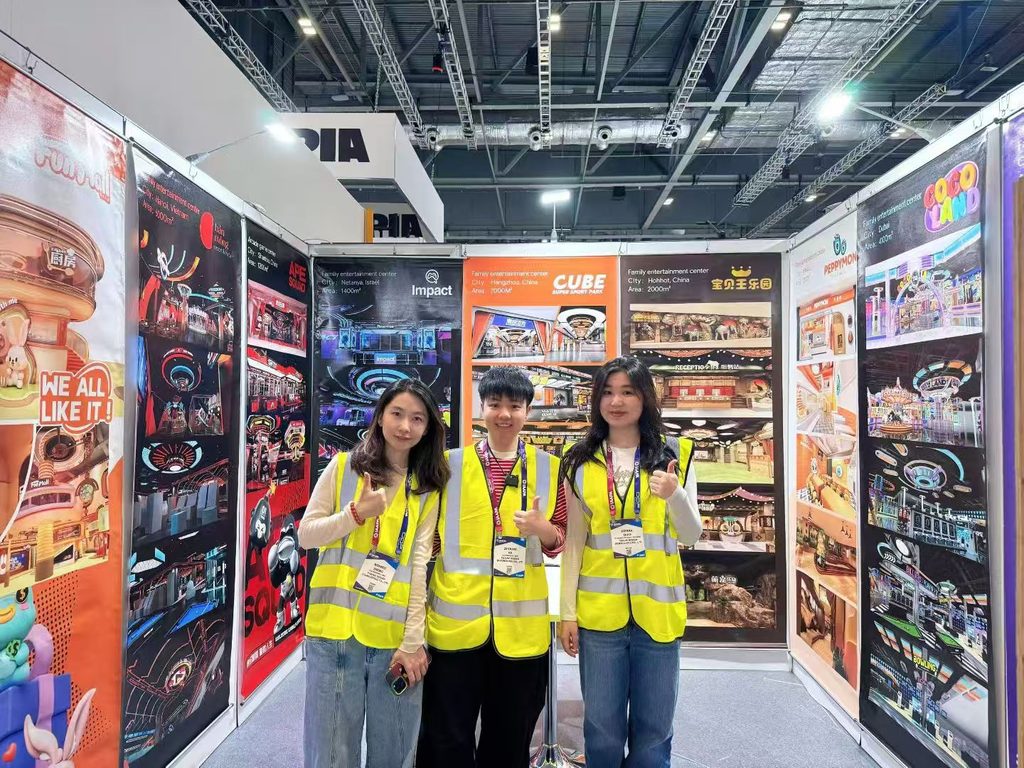
One theme came up repeatedly: opening an FEC is no longer just a matter of selecting attractions and filling a floor plan.
Operators are paying much more attention to how a venue feels, how easily it can be updated, and whether customers can remember the brand after they leave.
After three days on the show floor and conversations with visitors from the UK and across Europe, three design directions stood out to us.
1. The Experience Around the Equipment Matters More
A good attraction can bring someone over to a machine. It does not automatically create a good venue.
That distinction is becoming increasingly important.
In mature leisure markets, customers can choose between arcades, competitive socialising venues, indoor sports, bowling, VR, trampoline parks and mixed-format FECs. As a result, operators are thinking beyond individual attractions and asking a broader question:
Why should a guest choose this venue rather than another one nearby?
The answer often sits in the space between the attractions.
Lighting helps establish different moods. Clear circulation makes a venue easier to explore. Seating gives groups a place to pause without blocking active areas. Entrance design creates the first impression, while consistent materials, graphics and colours make separate activity zones feel like one brand.
This does not necessarily mean adding more decoration.
In fact, one of the most useful design principles is deciding where not to spend.
A strong entrance, a recognisable central feature and a few carefully designed transition areas can often do more for the overall experience than filling every wall and ceiling with decorative elements.
For operators, this is also a commercial decision. A coherent space is easier to photograph, easier to promote and easier for customers to remember.
2. Operators Are Thinking About Renovation Before Opening
Another topic we heard frequently was flexibility.
Construction costs remain important, but operators are also looking at the cost of changing a venue two or three years later.
Traditional site-built decorative elements can look impressive when a venue opens, but changing them may involve demolition, dust, waste and extended closures. For a working entertainment venue, the real cost is not simply the renovation invoice. It can also include disrupted operations and lost trading days.
That is one reason modular decorative systems are receiving more attention.
Reception counters, feature walls, light boxes, signage, ceiling elements and themed structures can be designed as separate prefabricated components. They are produced off-site and assembled on site, making future replacement or reconfiguration easier.
At 12 DESIGN, this is an area where our design and manufacturing model becomes especially useful.
We operate our own 6,000㎡ manufacturing facility, allowing our designers to consider fabrication, assembly, packing and installation while the concept is still being developed.
The goal is not to make every project look modular.
The goal is to make the construction logic modular while keeping the finished venue visually customised.
For overseas projects, this can also make packing and site coordination considerably more manageable.
3. Branding Is Moving From the Logo Into the Space
Branding used to mean putting a logo above the entrance and repeating the brand colour around the venue.
That approach is becoming less effective.
A stronger FEC brand is now expressed through the physical environment: entrance forms, signage language, colour systems, mascots, graphics, staff touchpoints and even the way different activity areas connect.
Some operators choose an original character or IP system. Others prefer a more abstract visual identity.
The important point is consistency.
A mascot alone does not create a brand. Neither does a neon sign.
What makes a venue recognisable is repeating a clear visual language throughout the customer journey without making the space feel over-designed.
This can become particularly valuable for operators considering a second or third location. Once the visual system has been established, certain brand elements can be adapted and reused while each venue still responds to its own floor plan.
A Quick Project Check Before You Design
If you are planning a new FEC or refurbishment, ask four questions before choosing a visual direction:
- Who is the primary customer: families, teenagers, young adults or mixed groups?
- Which areas need the strongest visual impact, and which should remain simpler?
- How likely is the venue to be refreshed within the next three to five years?
- Which design elements should become recognisable brand assets across future locations?
Answering these questions early usually leads to better decisions about theming, materials and construction.
From Show-Floor Ideas to Buildable Spaces
Our biggest takeaway from London was simple: operators are becoming more selective.
They are not just asking what looks new. They are asking what will still work after opening day.
That is where design, manufacturing and construction need to be considered together.
At 12 DESIGN, we combine interior planning, brand design, modular fabrication and project delivery so that the concept developed on screen can be translated into something practical to manufacture, ship and install.
You can view our Family Entertainment Center projects to see how different concepts have been applied in real spaces.
If you are currently planning a new venue or refurbishment, contact our team and share your floor plan, project type and target audience. We can help you work through the design direction before the project moves into construction.


Amusement Future, in 12Design
