1,000+ Entertainment Design Cases, 15+ years Amusement Industry Experience - 12 Design info@12design12.com+86 15360475354


How to Ship Modular FEC Decor to Europe Without Avoidable Customs Delays
Shipping custom interior elements from China to Europe can look straightforward on a quotation and become surprisingly complicated once the goods are ready to leave the factory.
The problem is rarely just transportation.
A typical entertainment venue may include illuminated signs, metal structures, acrylic panels, furniture, decorative walls and electrical components in the same shipment. Each item needs to be described properly, packed for a long journey and matched with the documentation required by the importer and customs authorities.
For FEC developers, the best time to think about logistics is therefore not when the container arrives at the factory.
It is during design.
Customs Problems Often Begin With Product Definition
One common mistake is treating an entire interior fit-out as one generic category such as “decoration.”
Customs authorities classify goods according to what the products actually are.
A fabricated reception counter, illuminated sign, metal framework and electrical lighting component may not necessarily fall under the same classification.
For imports into the EU, products are classified through the EU’s Combined Nomenclature and related customs systems. UK imports operate under their own customs procedures.
That distinction matters because the correct commodity classification can affect duty, documentation and other import requirements.
The practical lesson for buyers is straightforward:
Do not wait until the vessel is booked to decide what is actually being shipped.
Before production is completed, create a detailed packing and product list that clearly describes each group of components, their materials and intended function. Your freight forwarder or customs representative can then confirm the appropriate codes and requirements for the destination country.
Documentation Needs to Match the Physical Shipment
Another avoidable problem occurs when the paperwork says one thing and the container contains another.
At minimum, commercial shipments normally require documents such as a commercial invoice and packing list, together with the transport documents required for the selected shipping method. Additional certificates or documents may apply depending on the goods and destination.
For the buyer, consistency is critical.
Descriptions, quantities, weights, package numbers and values should be checked before departure rather than corrected when the goods are already sitting at a port.
The importing company should also confirm its own customs requirements.
Businesses carrying out customs activities within the EU generally require an EORI number. Great Britain has a separate EORI system, and businesses importing into England, Scotland or Wales will normally need the appropriate GB EORI.
Because customs arrangements can differ by market and product, your customs broker should make the final determination for the specific shipment.
Good Packaging Starts With Good Design
Packaging is sometimes treated as a factory issue.
For custom FEC interiors, it is also a design issue.
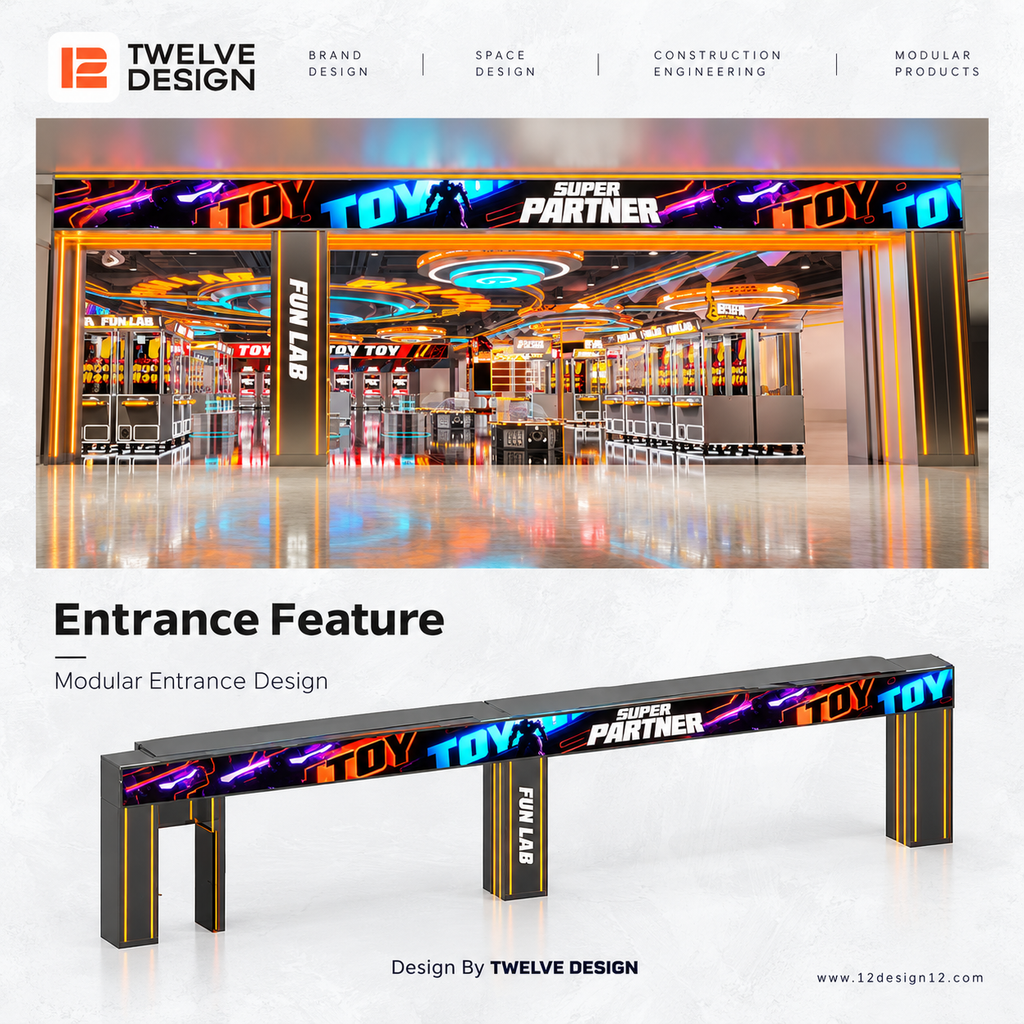
Consider a five-metre feature wall designed as one large piece. It may look simple on a rendering, but it can become expensive or impractical to crate, load and move through a shopping centre entrance.
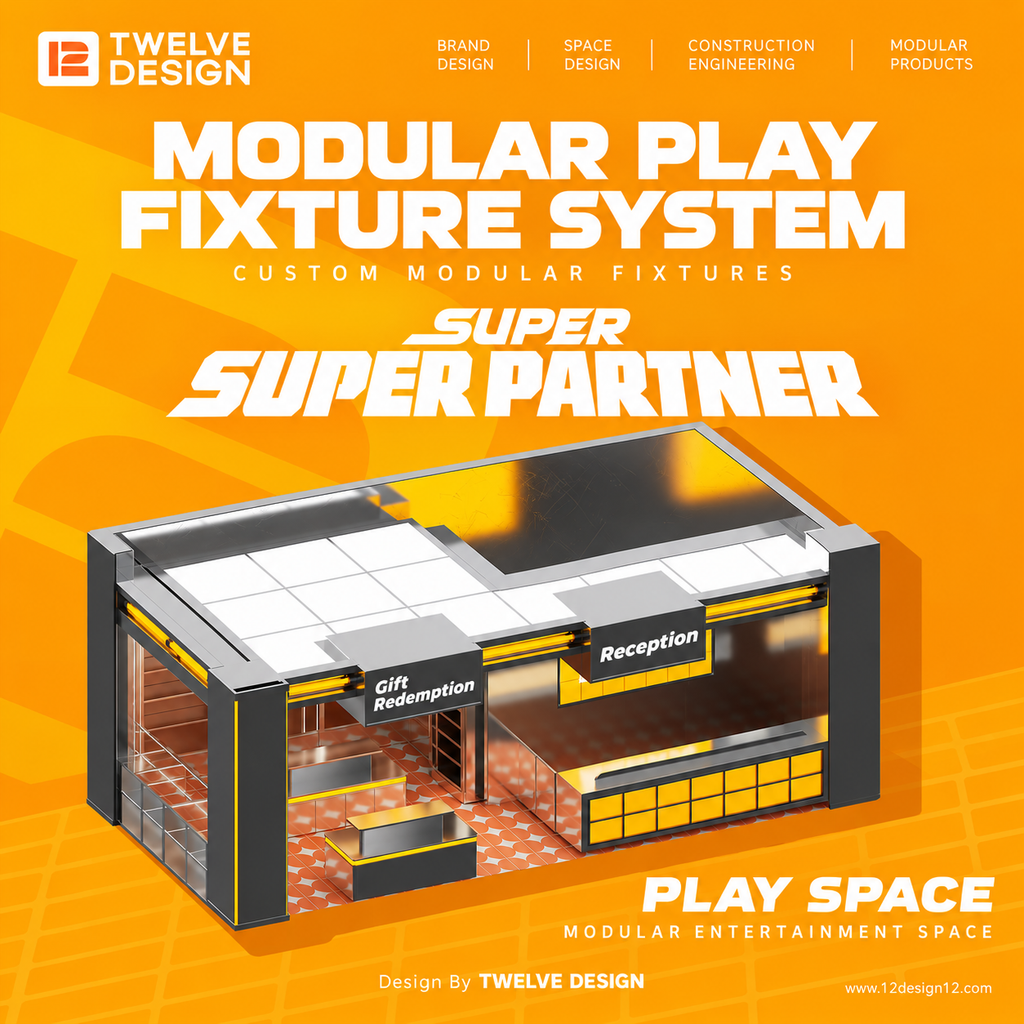
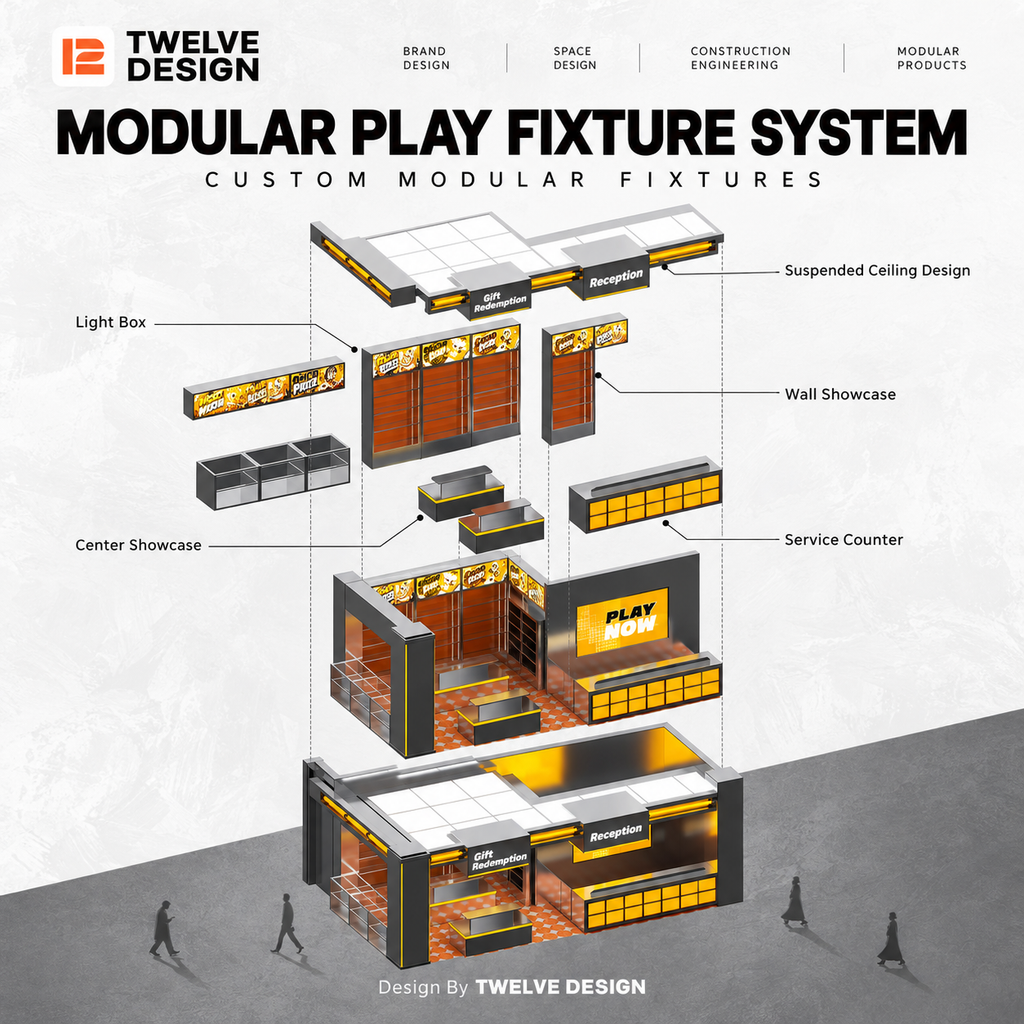
Now imagine the same feature designed from the beginning as several indexed modules.
The finished appearance can remain almost identical, but transportation and installation become significantly easier.
At 12 DESIGN, this is one advantage of combining interior design with our own 6,000㎡ manufacturing facility.
Our team can discuss segmentation, connection points and installation access before production drawings are finalised.
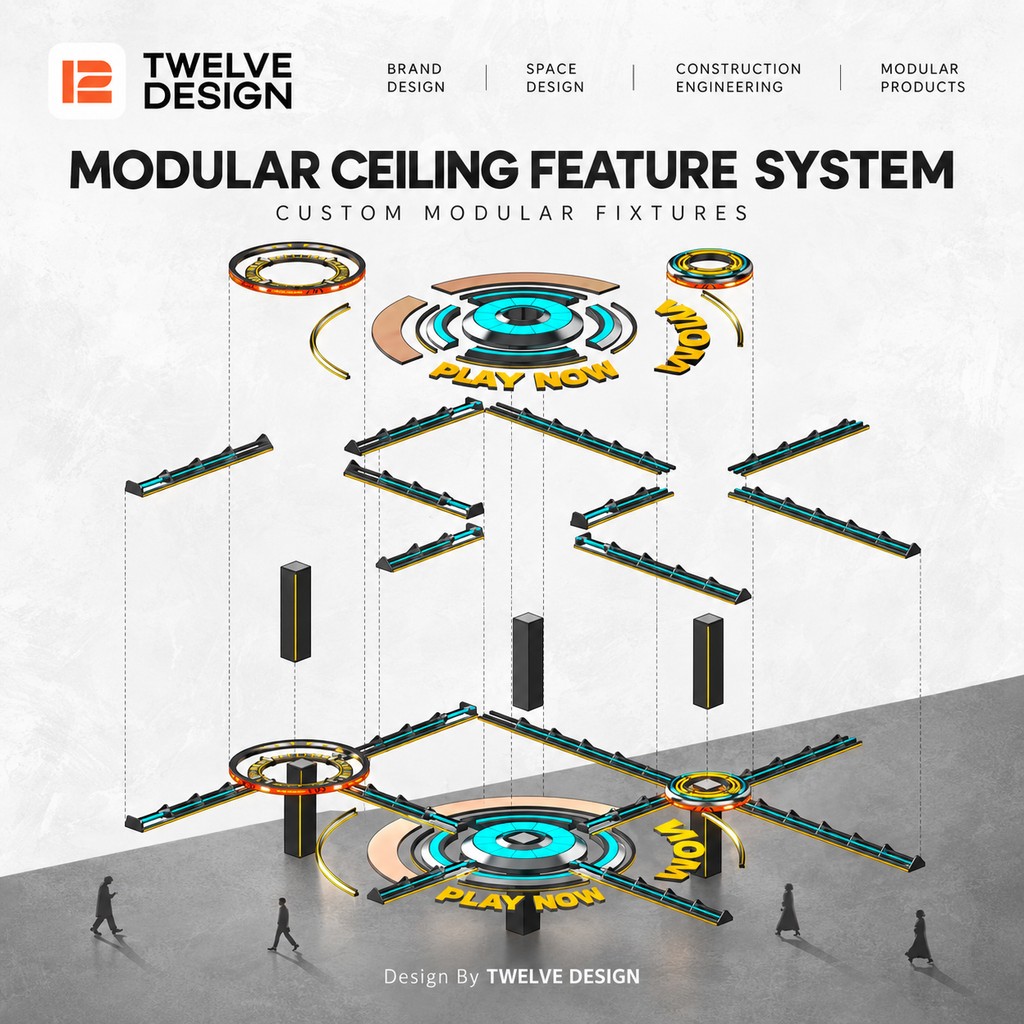
Large decorative structures may be broken into transportable sections. Visible joint lines can be moved away from key viewing angles. Components can be numbered so installers understand the assembly order.
This is a small design decision that can solve a very expensive logistics problem later.
Packing Should Follow the Installation Sequence
A shipment should not simply be packed according to what fits into a crate.
It should also consider what installers will need first.
For example, if ceiling structures must be installed before wall panels, burying the ceiling components behind dozens of unrelated packages creates unnecessary handling on site.
Where practical, packages can be numbered by area or installation stage.
Fragile finishes require suitable protection, while projecting edges and painted surfaces need to be protected from impact and abrasion. Larger modules may require reinforced plywood cases or frames depending on their size and construction.
The objective is simple: the product should arrive not only undamaged, but organised enough to install efficiently.
What the European Buyer Should Confirm Before Shipment
Before approving dispatch, check five things:
- Has your customs broker reviewed the product descriptions and proposed commodity classifications?
- Do you have the appropriate importer registration, including the relevant EORI where required?
- Do the invoice, packing list, package count and physical goods match?
- Can the largest module physically enter the building and reach its installation position?
- Have packages and components been labelled in a way the local installation team can understand?
Also build flexibility into your programme.
Transit time is only one part of the schedule. Factory loading, port operations, customs clearance and inland delivery all need to be considered.
The Best Logistics Problem Is the One Designed Out Early
International shipping will always involve variables.
But many of the most frustrating problems are predictable.
At 12 DESIGN, we treat overseas delivery as part of the design-to-build process rather than a separate task added at the end. Our design and production teams consider how customised decorative elements will be manufactured, divided, packed and assembled before they leave Guangzhou.
If you are planning a European FEC, arcade or indoor sports venue and need custom modular decor, you can contact our team with your floor plan and project requirements.
The earlier logistics enters the design conversation, the fewer surprises there tend to be on site.



Amusement Future, in 12Design
